
SONGS AND SCRIPTS AND DUNKING BISCUITS
Every day tales of a winging-it creative
-
A couple of years ago I signed up for a cinema pass which for the cost of £16.99 a month allows me to go to a certain cinema chain and watch as many films as I like for as many times that I choose. Given that it costs at least £9.99 to watch a film I only need to go twice a month and -as the advertising blurb points out – it pays for itself.
Given that I love films but had been put off by the cost, this card was a ticket to cinematic heaven, and I embraced it with relish.
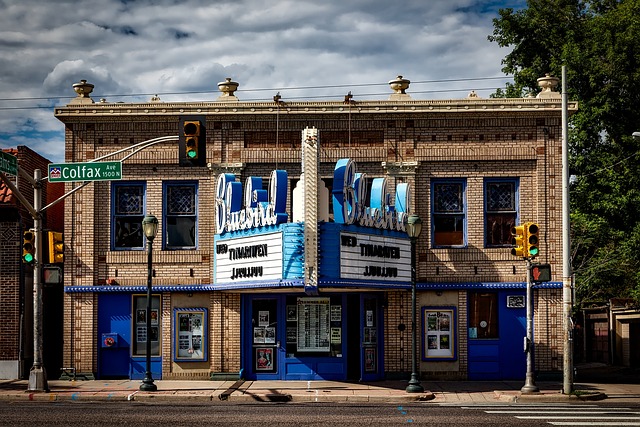
I chose not to read reviews and instead make my own mind up on a films merits or otherwise, and apart from the much vaunted and ridiculous views on Barbie which I found hard to avoid, this has worked really well (I thoroughly enjoyed the Barbie film by the way) and I have seen many gems that I’m sure the nick-picking reviewers would have succeeded in putting me off watching.
Just 15 minutes from leaving my house I am in a world of; for the most part, wonderful imagining and escape. My local cinema is probably in need of some updating and general refurbishment but the chairs are comfortable and I can choose my seat online before I leave the house, so I simply show the ticket from my phone and I’m in.
I’ve now become a dab-hand at knowing exactly when to leave the house so I avoid the adverts but am able to see the trailers, helping me to choose future viewings. I don’t buy the popcorn and the drinks, no matter how many discounts I’m offered, otherwise I’d be about two stone heavier and a lot less healthy.
And apart from one large feral family which ruined for everyone the Spielberg film The Fabelmans even before they were escorted out of the building, I’ve not had any negative experiences with any fellow cinema participant. Indeed I find it quite nice that a collection of strangers enjoy (hopefully) a cinematic experience together.
But there are two things I notice now from my regular cinema visits and I’m worried both of them may been down to getting old/older. One is how loud every film is. And I mean really loud. I don’t watch many action blockbusters because whilst I appreciate their technical mastery, they kind of leave me emotionally detached, but also it’s because of their brain searing noise level. It’s not just the action films however, every film seems to have increased volume as a pre-requisite.
In the last year or so my hearing has deteriorated slightly and while some may say that’s an age thing, I have chosen to ignore that in favour of the less ego-destroying explanation that I go to the movies more often!
Another thing are the violence levels. It’s no longer enough that someone is murdered, it has to be gratuitously. Organs have to tumble out, knives have to sever deeply into someone’s throat, daggers have to pierce a victims eyes. And that’s just the queue for the toilets…
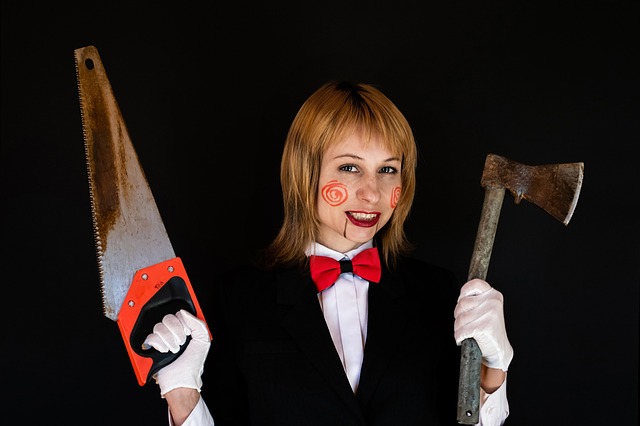
How the films ratings are decided I have no idea, but young people must be a lot more accustomed to seeing hard-core violence than I was when in my teens. Texas Chainsaw Massacre would probably now be listed as family holiday viewing.
Overall seeing a film still has a magic quality that is enjoyed best on a big screen in a comfy dark room that exists separately from the rest of the world. I just wish they’d turn the volume down just a little…please? Some of us aren’t deaf just yet. Are we?
Roll credits..
(Images from Unsplash)
-
Just before Pink was due to perform at the 2019 Brit Awards after winning the Outstanding Contribution To Music Award, she turned to the camera and said “One of the reasons why I am successful is because I surround myself with people that are better than me.”
Given the depth of her own talent it at first struck me as slightly disingenuous, but nonetheless a nice stroke of modesty and recognition from someone with her level of success that she didn’t need to make. You couldn’t for example, imagine Madonna making such a statement.
But in my own case, as I tiptoe along as a songwriter, surrounding myself with talented people who can do things I simply can’t do is a source of great delight.
For example, I work with a seasoned producer and musician called John Kettle of folk-rock band Merry Hell. Looking more like a middle-manager than a rock guru, John has worked with countless artists and bands over the last thirty years, coaxing them into musically getting the best out of themselves. He has recently co-produced and co-written two UK number one albums with a local band called The Lathums who are indebted to his invaluable contributions to their still fledgling careers.

Emily Fairchild But in the last couple of months I’ve been working with someone completely out of the direct musical field, to bring something new to a lyric video I was looking to do for my new track ‘How Can Anybody Take The Place of You?’
Emily Fairchild is someone’s who’s abilities I’d become aware of as she worked with the exquisitely talented singer-songwriter Jenny Colquitt on Jenny’s last few videos and the artwork for her new album ‘Staring At The Moon’. Emily creates a lyric video utilising the imagery created in a songs lyric, whilst bringing her own take on the narrative.
Emily graduated from Liverpool Hope University in 2021 with a BA Hons in Graphic Design, and since has been self-employed, working under the name Aether Illustrations. “The start of the process involves taking any ideas the client has, listening to the song multiples times”, explained Emily, “and considering any ideas I may come up with during this. I then come up with a series of rough sketches to the music to visually get the narrative of the video across.”
Here below are the rough sketches of the two main protagonists of the song, and below the final images.
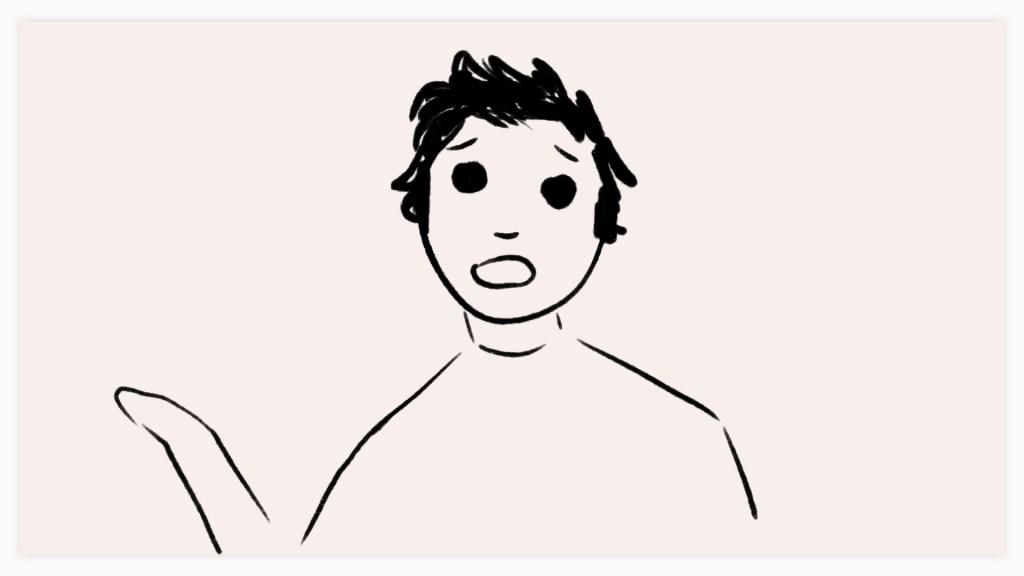
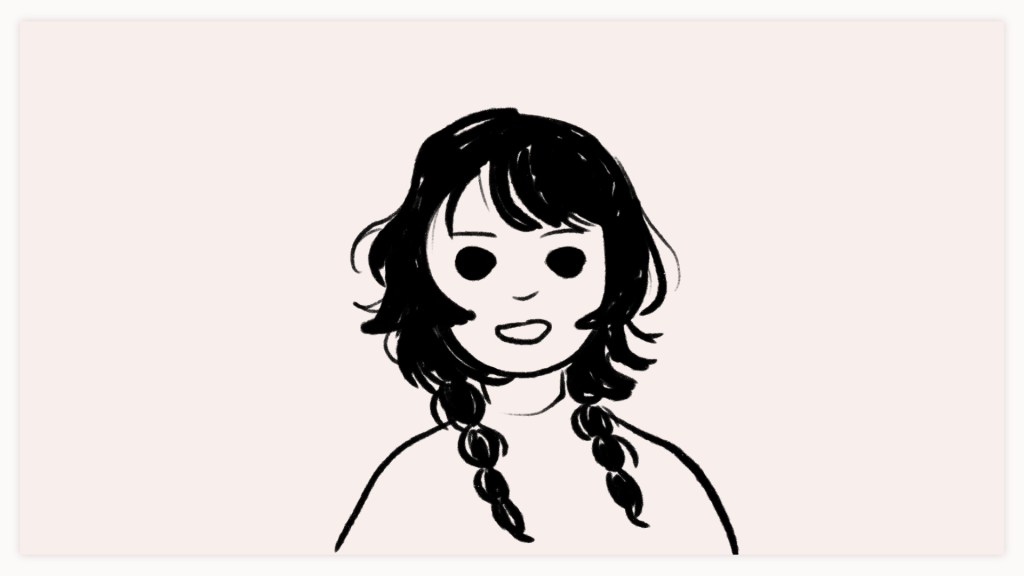
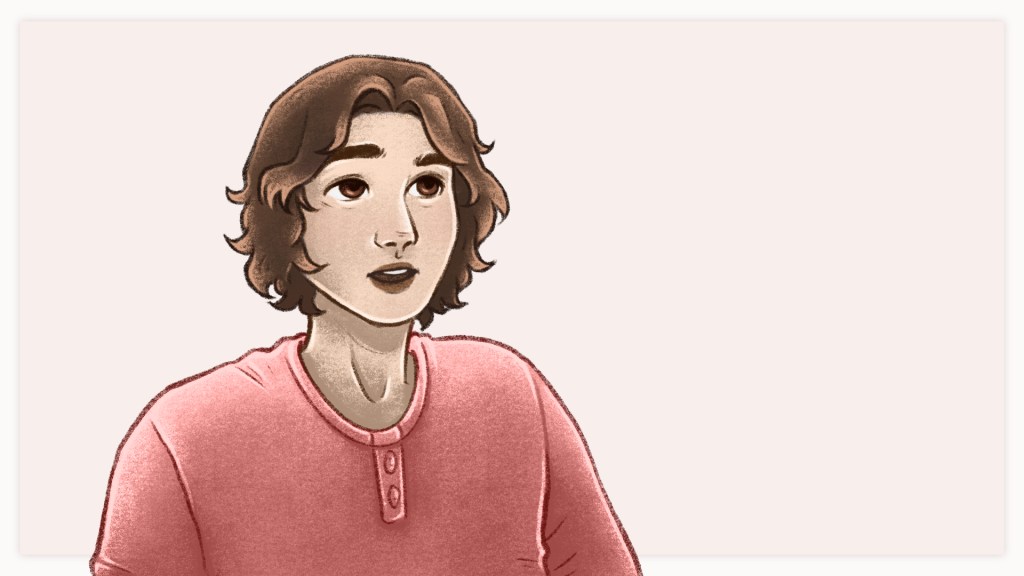

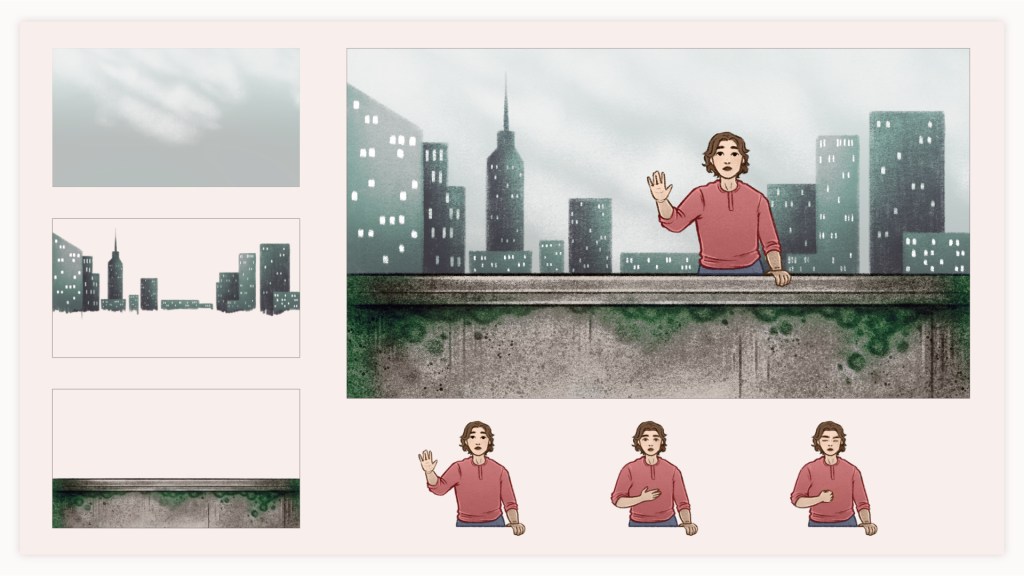
Emily the starts to lay out each background, figure and object against the song track, using her initial animatic as a reference.
“Once I have a scene laid out, I can go in and start to animate the moving pieces and add movement to the scene. I usually do this by animating the position, zoom and rotation of the artwork with keyframes of frame by frame animation if this better suits the scene.”
In one scene, the couple, being increasingly estranged, are shown spinning slowly on a record, something entirely envisaged by Emily. “In Paul’s lyric video I ‘ve used simple block colours in combination with the artwork to add some interest as the record spins.”
Over a period of a few weeks a world that I had put together in song, was now becoming an illustrative reality. City landscapes, oceanic views, characters insecurities, frustrations and jealousies, mixed together with an artists additional imageries and scenarios.
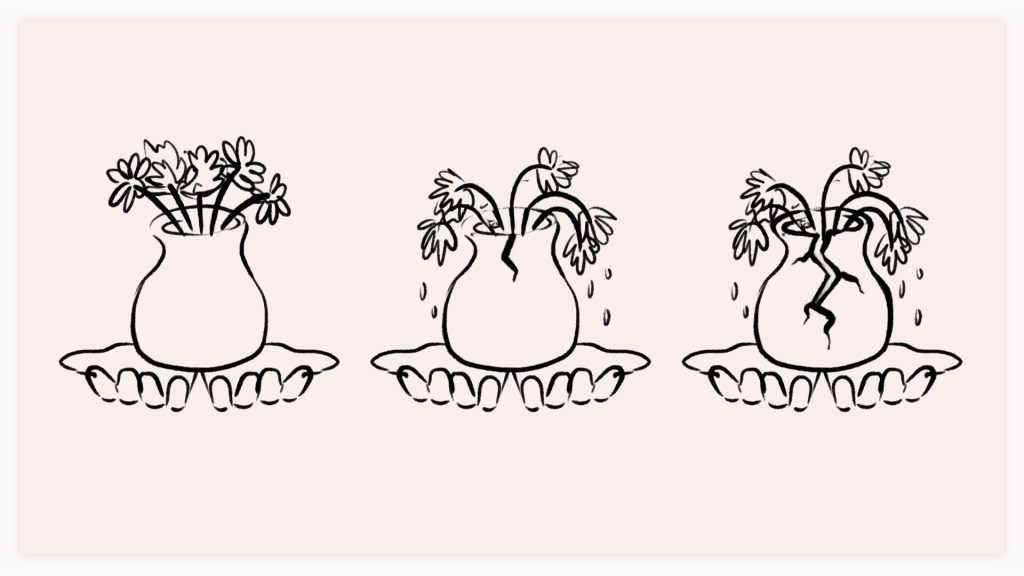
It was a wonderful and for me completely new experience, one I’m already planning to repeat. Different art forms and creative skills can complement one another and it’s such a thrill to collaborate with someone else talents to enhance your own creative instincts – just ask Pink!
If you wish to see the completed video, its on the link below.
-
Today I feel dirty.
With my house about to go onto the market today is the day the photographer comes around to take the shots that will go on the estate agents website for all to see. And they will see, for as soon as the For Sale board goes up the neighbours and strangers alike will be on, perusing through every room and judging. Judging the house and in turn, judging me.

So I have cleaned and vacuumed and tidied to the max. It hasn’t looked this ridiculously good for years.
New ornaments have been placed strategically to titillate and entice. Cushions have been pumped up and sit there preening, inviting at a come hither angle. Rooms have been newly decorated, the faint lingering of paint still hangs in the air.
Kitchen utensils have been hidden away, the garage is crammed with everyday items I’m continually taking in and out. Family photo albums and my books – so many books – have been crammed into storage boxes and I can’t find…anything!
In the garden I scowl at every weed that comes up, and wonder if I can still cut the lawn so it looks its best despite it still being wet from a recent shower.
But as I’m sure you all know, this is what we go through when we sell our house. Every minutiae is obsessed over, every angle considered.
And despite the constant cleaning, as I said, I feel dirty.
I feel like I’m pimping my place. The place where I have lived since I was eight years old, the place my mother and father chose when they were young and looking to the future. The home from where they went to work each day to pay a mortgage, the place my father clung onto by his financial fingertips after my mother suddenly passed away so young and an income went down by an almost crippling degree.
Christmas Days and birthdays, family and friends come and gone, laughter and tears and celebrations. My grandmothers second wedding had it’s reception here, my sisters excitements on their wedding days reverberated into every brick, all panic and joy, bridesmaids and the same proud father-of-the-brides.
And now I’m putting the four walls that bore witness to all that up to the highest bidder. But, it needs to be said, at my fathers wishes, to be split between myself and my two sisters. And in truth it’s too big for me. Two of the rooms I don’t even use, which is a waste.
And the memories feel like sadness now, the quiet feels like ghosts of what once was.
New memories need to be made within these walls, the daily laughter – and arguments – need to return. Music needs to be played too loud, the new aroma of different meals have to fill the kitchen, people need to go out of the front door to work and play and return; parties held, friends to visit.
And I need to fill a new home with the same, to create independent good memories for myself.
So for now I’ll play the pimp. I’ll preen and try to find new homes for objects and throw out or recycle what needs to be, and hide away the rest. For a few days until it goes on the market the house can breathe out a little until, like a middle-aged man he pulls in his stomach again, waiting for someone to make him lean and eager and vital again.
-
Today I saw that Elton John has just turned 77.
Wow.
Elton was the first live act I ever saw, at the Liverpool Empire theatre on the 4th May 1976 on the ‘Louder Than Concorde But Not Quite As Pretty’ tour that was essentially the tour to support the Captain Fantastic & The Brown Dirt Cowboy album from 1975. He had not long turned 29!
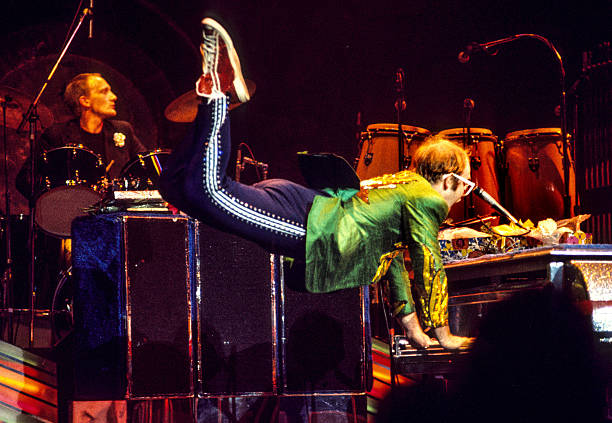
Elton John performs, 1976. Getty Images To obtain a ticket I queued for seven hours around the Liverpool Empire a couple of months before. I remember telling my mother that I was going to try and get a ticket. At the time she was ill in bed, with a bad cough and an ache in her lower back. She was just unwell.
Only she wasn’t just unwell, but we didn’t know that at the time. In between queuing for the ticket and the concert coming around my mother has passed away from lung cancer.
Now this seems searingly poignant. And of course, it is.
But on the night of the concert all I can recall is excitement. The sheer thrill of my first concert seeing my rock superstar hero. And on that same night my football team were playing away at Wolverhampton Wanderers, knowing a win would make them English Champions. I recall Elton standing on his piano in the middle of a song holding up a board with the score. Liverpool had won 3-1. I cheered even louder than I was already cheering during the show.
I even remember the jacket I was wearing, a waist length black zipped, lightly corduroyed jacket with a short collar.
But I don’t remember how I felt that night about losing my mother just three week’s before, a seismic event in my life that has had reverberations every day since. How odd that is.
I remember the pain of it, the tears, telling my grief-shattered father during the funeral that she was no longer in pain.
Yet here I was less than a month later ecstatic.
She had known about this concert, she was part of the build-up, yet now she was gone completely from it. But I was 17. Part of what had happened I had not enough life experience or maturity to absorb and process.
Yet isn’t that how she would have wanted it? She gave me life, she help keep me safe for the first seventeen years of it and now here I was so soon afterwards living that life, embracing it, celebrating it.
I hope so.
Happy Birthday Elton, and thank-you. Thank-you so very much.
-
Anyone who has ever regularly attended a gym knows they are often populated by the shaven headed, tattoo-filled muscle bound types who strut around with ego’s as heavy as the weights they pound away with.
And the men are even worse.
Sorry, obvious joke. But we all know the type. I comfort myself with the belief that their muscles are also their identity, their self-esteem and self-perception intrinsically bound together by the size of their biceps.
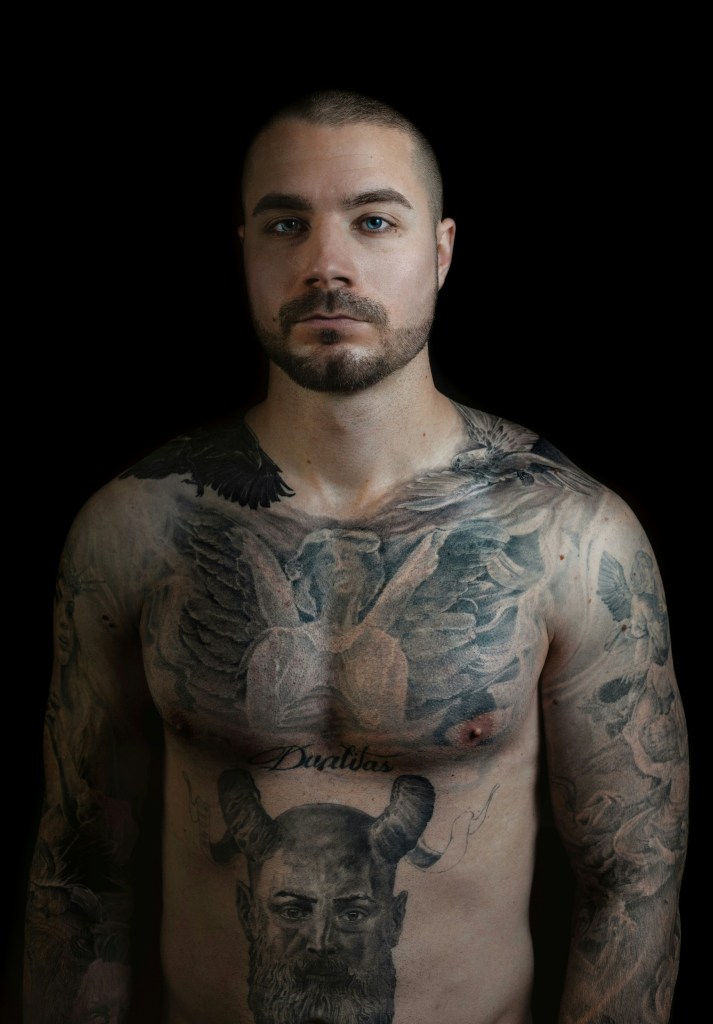
Me during a tostesterone phase. (Okay, some random guy I don’t know) Photo by Norbert Buduczki. Unsplash Images I used to think they did all this to impress women, but I was wrong. In the main they do it to impress other men. They tend to congregate together, like bucks, preening and mentally comparing their muscle size and definition.
All of which gives the likes of me, wondering if I can push from 6 minutes to 8 on the cross-trainer, a detached sense of superiority. I vainly comfort myself that I don’t need this kind of protein obsessed, machismo-fuelled validation. I am just here for the stretching and the cardio-vascular kick.
Outside of the gym I have my books and my writing and good conversation to maintain my sense of self. All they have is their protein shakes and their constant need to wear tight fitting t-shirts in the depth of winter and their unreachable dreams of being best friends with Jason Statham.
Of course, I don’t think like this. At least, not so directly. But sub-consciously I do judge. I look at their tattooed bulging necks, chests and forearms and I make an instant assessment. I know the type of people they hang out with, what films they watch and, based on some overheard conversations, quite possibly their political and racial prejudices.
All of this was brought into sharp and unflattering focus when I saw such a type in the queue of a local supermarket a few weeks before Christmas. I saw this large man with all the attributes to fit the prototype macho driven gym type and thought I knew all that he was about.
And then he turned and spoke to the couple behind him in the queue and struck up a conversation in a friendly, open and noticeably easy manner. He was warm and his laughter was genuine, breaking up the normal eyes-straight-ahead Saturday morning shopping experience.
I remembered the moment. I recalled gently chiding myself for making the judgement. I remembered it enough to recognise him in the gym just a few days later. Once again he conversed with another gym member in the same friendly manner. Quite soft-spoken with no underlying agenda to his tone; no preening, and no comparing.
So I told myself not to make the same assumptions any more. And I also know from the experiences of others that many weight training exercises can cause injuries, especially as they get older, that are hard to fix. A friend of mine who used weights incorrectly for years now has spinal problems and takes prescribed pain-killers first thing each day. And when that happens the identity that comes with the muscles has to be re-adjusted, which for some, isn’t easy.
Not that I won’t make the odd instant judgement about the tattooed pit-bull type and be proved correct, but I’ll certainly try and remember that beneath all the sinews and brawn occasionally something less predictable and obvious may be going on.
-
Paul McGuiness was the legendary manager of rock band U2 from 1978 to 2013. He managed them from seeing them in an arts centre in Dublin when they were known as The Hype, to become the biggest rock band in the world.
He negotiated record and publishing deals that would stagger the rest of the industry, and oversaw some of the biggest concerts in the history of rock music, including their inclusion at Live Aid in 1985 which propelled them into the world’s consciousness.
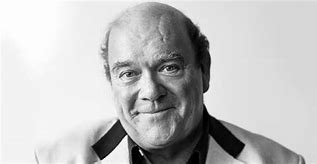
PAUL McGUINNESS Even though the vast majority of the bands songs have been written by Bono (Paul Hewson) and The Edge (David Evans), he persuaded them to share co-writing credits so help prevent divisions within the band. The band have been together, without any real rumours of acrimony, for 46 years.
But he also worked relentlessly and without compromise for the band to retain the rights to all of their music, not something that has ever been the norm in the industry. It represents an integrity to the band that has been part of the bedrock of their identity and image.
McGuinness’s personal worth is thought to be over 100 million pounds.
So, why am I telling you all this?
I was astonished to learn a few months ago, that Paul McGuiness lives not in the leafy affluent area of Oxfordshire or Surrey, or in a fashionable part of LA, but less than two miles from me in north-west England, about ten miles from Liverpool. I pass the road where he lives, most days. In fact, he goes to the same small, independent optician as myself in my home town. Last time I had an eye test, McGuiness had sat in the same seat as me just weeks earlier.
As a U2 fan in itself, this was mind-blowing to hear; that for all these years I have lived close by to the man who has been their guiding hand. In 1987 I travelled the highways and backroads of America while listening to the recently released Joshua Tree on my Walkman.
As mentioned in my blog The Glorious Moment I shared in The Sun With Elvis I was in Sun Studios in Memphis just a couple of weeks before they recorded ‘Angel of Harlem’.
I have seen them three times in concert, in Birmingham UK in 1987, Glasgow in 1993 and Dublin in 2006.
However, and as anyone who knows me or has read my blog knows, I am an even bigger fan of Bruce Springsteen. I have seen him 23 times in concert in the UK, Ireland, Spain, France and New Jersey.
Paul McGuiness is a friend of Springsteen. Bruce referred to his own manager, Jon Landau, as the American Paul McGuiness.
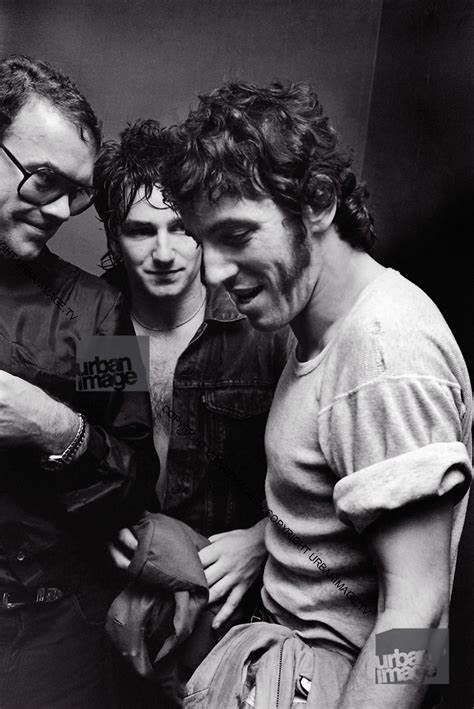
PAUL McGUINNESS WITH BONO AND BRUCE SPRINGSTEEN, 1981 (Photo by Urban Image) Given the theory that we are all no more than six social connections away from one another, and that McGuiness knows my optician, indeed sits in the same seat there as myself, I’m well within six degrees of separation from The Boss, right?
It’s a nice thought, and my eye test was good enough to help me see through any such illusion. If I saw Paul McGuiness locally – and yes I will be looking out – I would probably respect his space and privacy. But then again, the thrill might take over and you never know, I could blag myself a backstage pass for the Boss on his next tour!
And who knows, we might share the same chiropodist!
-
In his early 60’s my father, who had lived most of his adult life working as a lorry driver driving the length and breadth of Great Britain, discovered the blues.
The blues of the deep south, people like Robert Johnson, John Lee Hooker (below), BB King and Muddy Waters.

Having spent most of his life working shifts and keeping a house above our heads, particularly after being widowed the day after his 43rd birthday, his social life was somewhat limited to the odd works night-out, and once a week snooker club.
The blues changed all of that.
He would spend life late into his 70’s going to blues gigs in obscure parts of Liverpool, to festivals in Cumbria, Lancashire, the north-east of England, north Wales and much further south in Exeter in Devon, despite for many of those years suffering with rheumatoid arthritis.
He made many friends through his love of the blues, and he would document them through another of his great passions, photography. I recall him speaking with gleeful enthusiasm about a then largely unknown Imelda May after seeing her perform at the Colne Rhythm and Blues Festival, and predicting a great future. Imelda has gone on to work with Bono, Jeff Beck, Jools Holland, Smokey Robinson, and Noel Gallagher whilst picking up numerous prestigious awards.
His enthusiasm and passion were infectious, and ran alongside his first musical love, jazz. Although not drawn to jazz, I feel deeply grateful now that with Dad I saw live in concert true jazz legends like Dizzy Gillespie, Stephane Grappelli, Dave Brubeck and Oscar Peterson.
When my father went to that great blues gig in the sky in 2018, many of the friends he picked along the way where there to see him off.
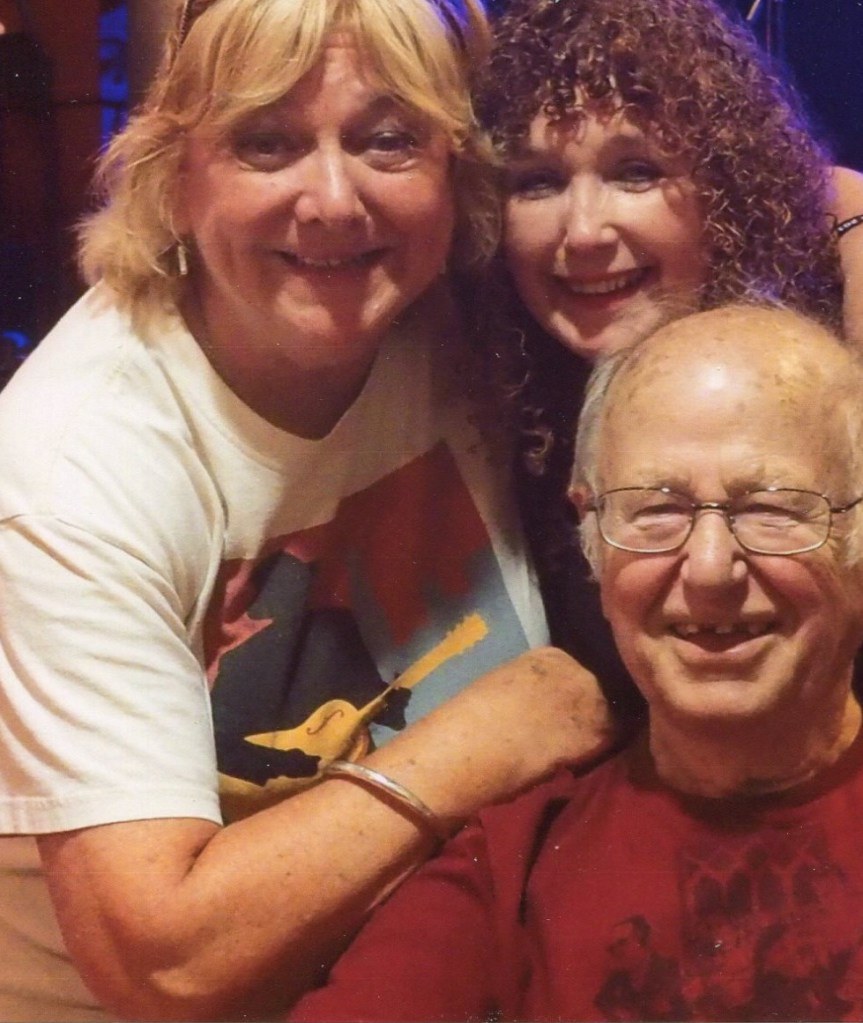
It’s testament not only to the life-enhancing power of music, but also to the defiance to not give in and settle for armchairs and daytime TV. When passion still burns brightly for something that makes you feel alive, relevant and excited it can make the later years so rich and vibrant.
I was reminded of this when I was travelling home from seeing my family in Cumbria on Christmas Day. A long journey was made easier and quicker and more downright enjoyable by being in the company of three men pushing 80 years old.
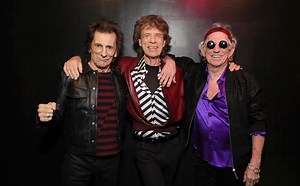
Three Hackney Diamonds you will undoubtably recognise, who began their own long, long musical journey loving the blues, put a smile on my face that lasted for the length of their age-defying new album.
Take preconceptions on how you should behave as the years advance and throw them to the wind. Do what makes you happy, what makes you excited, and don’t listen to any voice that tells you otherwise.
-
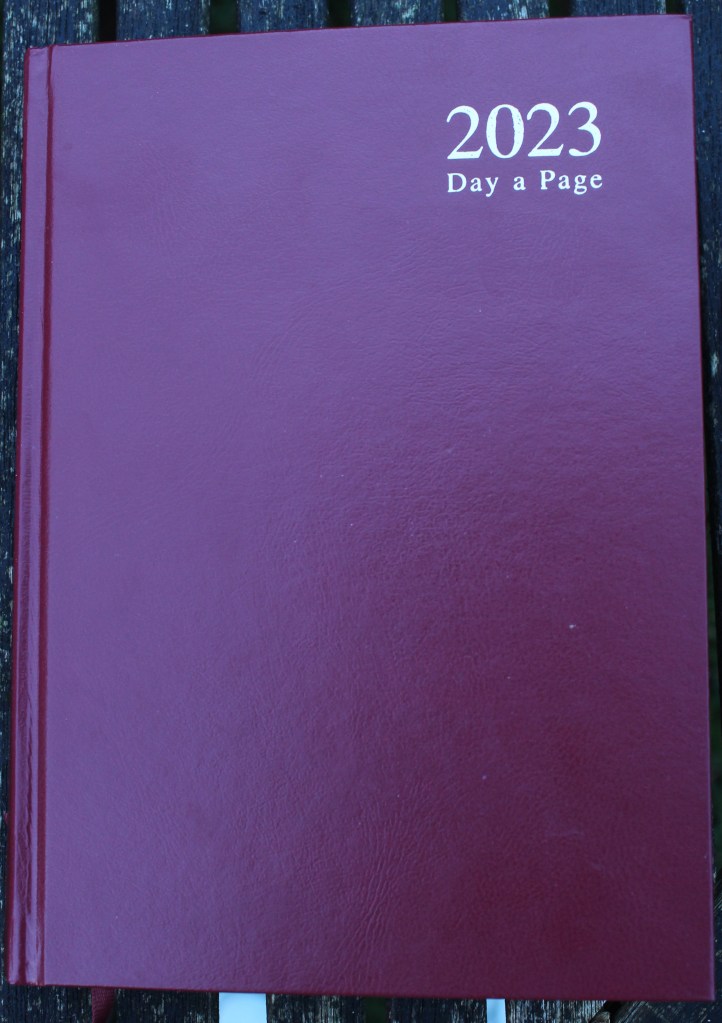
With more excitement than is probably necessary, I have just placed an order for my 2024 Day by Day Diary. It will be arriving with great ceremony, tomorrow. Or more likely I’ll get a text telling me it’s been un-ceremonially left in the garage.
Normally I prefer to choose my diary by buying it from a shop, where I can flick through the format on the daily pages and see if I feel comfortable with it’s layout. This is somewhat ridiculous when most of my entries will be filled with the mundane, but as they say, one man’s mundane is another man’s magnificence. Or madness.
Though in truth the only person to have said either, is me. Probably in my diary.
I have been keeping a day by day diary since 2010. At the time I was working part-time at my day job, while working the rest of the time as a shadow-writer for a hit television series called Shameless. It was a busy and somewhat bizarre period when I would spend Monday to Friday from 8 till 1 each day working on opening and closing of retail outlets, then drive out to the house of Paul Abbott, one of the best and most influential television writers of his generation, to join a small band of writers to help contribute story lines for the show. Each day could last till 6 or 8 in the evening.
Either that or I’d drive out to the series film set in an urban area of Manchester to the hidden away set of the show and mix with actors I’d been watching on my TV set for several years. The contrasts within each day could be huge.
In all of this I’d manage to keep a diary where I would list my hopes and self-doubts, chronicling how intimidated I could sometimes feel suddenly having to step-up amongst a set of accomplished writers looking to protect their own position within the show.
I’d also include details of my life away from work and writing, such as my Dad’s bout of shingles, the success or otherwise of my football team, events I’d attended or daily hopes and fears.
In retrospect it was an odd time to start a diary, given all the time I was spending on writing generally, yet in other ways it makes perfect sense. I needed an outlet to express my thoughts during this period to help me make sense of it all.
And I’ve kept it up, year on year.
Most of the entries are a list of what made up each day, which could be about going to the gym, what film I’d just seen or TV series I’d be watching, working on the garden, cleaning the house (yes, that exciting). I’ll mention phone conversations I’d had with my family that could leave me delighted or frustrated. I’d talk about trips I’d made, concerts I’d been to, seeing friends and how each of those things worked out, made me feel.
But also in there I’ve chronicled the start of the Arab Spring, and how hopes of greater self-expression for the people of Syria grew into a brutal war, the rise and demise of Donald Trump and Boris Johnson. I’ll mention natural disasters, or in the case of climate change, unnatural disasters and the impact it was having on the people affected.
For the years I was my father’s carer it was a place to let things out on days when there was nowhere else to turn to. And it would also be a place to feel a little more normal when the everyday reality of the situation was anything but, and to mention the laughs we managed to have despite our difficulties. This is so important; it’s understandable to look back and view this time as unrelentingly dark, but in truth it could be rich and hugely rewarding.
How much I learn generally by reading back can be highly illuminating. Often I’ve looked back on something and re-assessed how I felt, after reading how I actually saw things at the time. But hey, hindsight’s a wonderful thing, especially when it’s written down.
I’ve been reminded at how family and friends supported me, always useful whenever I feel forgotten or aggrieved.
I’m also reminded of things I’d seen and done that had been somewhat absorbed and lost in memory. Sometimes I feel proud of my tenacity, and other times disappointed by things I could have done a little differently. Even now, as I’ve began reading through the early part of this year, I’m planning how to apply myself better next year.
I imagine most people don’t go into detail in their dairies, but I find it therapeutic. Who knows, you may feature in it next year – some of you already have but don’t worry, I’ve been very complimentary! Honestly…
All the best for 2024, and if you keep a diary, I wish you plenty of happy entries!
-
We all have aspects of ourselves that irritate, habits that we can’t break or approaches to things that annoy. And I’m not talking about irritating or annoying other people, but our own self. And yet these continue on, week after week, year on year.
These may not necessarily be huge character flaws like kicking cats or spying on our neighbours with high-powered binoculars (normal binoculars work fine), but more the everyday rituals that drive us near-mad.
So here are my top 6. Maybe you have more. Or maybe you are perfect, in which case you can scoff at my list in that superior, haughty fashion that surely must annoy you?
THE PAPER MOUNTAINS
So, this maybe something I receive in the post, or a magazine article I simply have to read sometime, or some paperwork that needs attending to but not straight away. These form a very small pile that I intend to get to, very soon. And so it carries on over days, but usually weeks, and forms into a larger pile.
Then I’ll sift through and create an updated pile minus the things that should never have been kept in the first place. By then there are new things to bring the new pile up again. And so it goes on.

The ‘get to really soon’ pile I’m sure there’s some deep-rooted psychological reason for this, but more likely I just need to be more ruthless (less lazy). Or maybe I just love chasing the high from sorting out a pile of paper.
THE TYPING HABIT OF UNNECESSARY CHANGE
I’m not a quick typist. I’m not even a typist. I just pick my way through the keyboard if not in the one-finger style, then three or four at most.
But my fingers won’t have it, my fingers think they belong to a 120-word-a-minute touch typist. And they have the maddening annoying habit of changing from lower case to upper case in the miDDle of A WORd. Yes, just liKE that! So I look up from my keyboard and all I see is a jumbled mess of lower case and upper case. It drives me insane, yet I do it continually.
All I have to do…is slow down. Now that wasn’t so hard, was it? Of cOUrse nOt.
WANT TO GO. DON’T WANT TO GO. WANT TO GO..BUT NOT REALLY
In late 2005 I saw that U2 were doing three dates in their home town Dublin in the following year, and that there were package deals for accommodation and tickets for the shows. Having recently rediscovered my enthusiasm for the band with the release of their album ‘How To Dismantle an Atom Bomb’ I excitedly booked a hotel and ticket, and subsequent flights. I could hardly wait.
But then, as the seven or eight months to the gigs rumbled on, the less I wanted to go. And for no good reason. Any excuse I could find crept in to my thinking, till the whole trip became a dark cloud that hovered constantly over my head. In the end, I reluctantly went. And of course, it was great, loved the experience.
And yet this continues on, in fact I wrote about it in my last blog Hello Yellow Brick Road, Goodbye Fear and Panic. I’ll see something I want to get involved with, and sign up for it, and generally I am an enthusiastic person. Then on the day, it becomes a chore, something I’d be happy to find a reason not to go to, would love instead to just go home and relax.
And I’m not sure why. Maybe it’s the whole stepping out of my comfort-zone thing but I’m good at that so it continues to be something I struggle to get my head around.
The good news is that nearly every time, I go through with it, and nearly always am glad that I did. But why I have to put myself through this torment, I can only guess at.
All I know is it that it can ruin the anticipation, and that truly is annoying.
THE DRIFTING PHENOMENON
This is when I start doing one thing, but think I should be doing something else. If I start writing, I think I should be tidying the house. If I’m tidying the house, I should be working on my finances. But I can’t do that, because the garden is starting to get overgrown, and garden’s don’t wait for anyone.
Simply put, if I’m doing one thing, I always think I should be doing something else. And so I drift into that ‘something else’ and the result is that often I don’t do any one thing as thoroughly as I should.
Another example – as I’m writing this blog, I think I really should be working on a script. And I’m probably right.
THE SOCIAL MEDIA DISTRACTION
I’m not a regular participant in social media and find most posts uninspiring or derivative. I mean, how many posts of pints of lagers do I need to see? I know what they look like! But when I’m struggling to write or come up with an idea I find myself clicking on Facebook and looking at friends beaming at yet another restaurant meal I can’t taste or watching someone’s nephew I don’t even know receive their swimming certificate.
Lately I’ve been unplugging the Wi-Fi. If I can’t keep to that I’ll start wearing a blindfold. You never know, that may just improve my writing.
THAT’S PERFECT. SO WHY NOT ADD A LITTLE MORE AND MESS IT UP?
So, I’ve made a drink, usually tea. I’ve added the perfect amount of milk. No more to do. But, lets add a few drops more. Now it’s slightly less than perfect. Now what?
Making porridge? Got the consistency just right? Good, so lets add a little more water. Woops, now it’s too much. Now I need to add a few more oats to firm up the consistency again. Would a little more milk help? Aaarggh!!
Ran a bath. The heat is just right. Well, maybe add a little more cold. But is it now a little too cool? Add a little more hot. Ten minutes later it’s no longer a bath, it’s a small swimming pool.
And so it goes on. And on. I simply have to add a few drops more. It’s infuriating. But I can’t stop myself. Somebody break my arm!
Do you have a habit you hate but just can’t break? Does it blight your life? Or do you just feel it makes you quirky and interesting?
Yes- quirky and interesting, I can go with that!
 SONGS AND SCRIPTS AND DUNKING BISCUITS